2026-05-30
Plant-Based Comfort: Reviewing the Tree Hugger Noodle Soup
Discover how Magic Noodle's Tree Hugger elevates vegetarian Lanzhou cuisine through hours-simmered vegetable stock, hand-pulled noodles, and umami-rich shiitake—proving plant-based comfort need not compromise culinary craft.
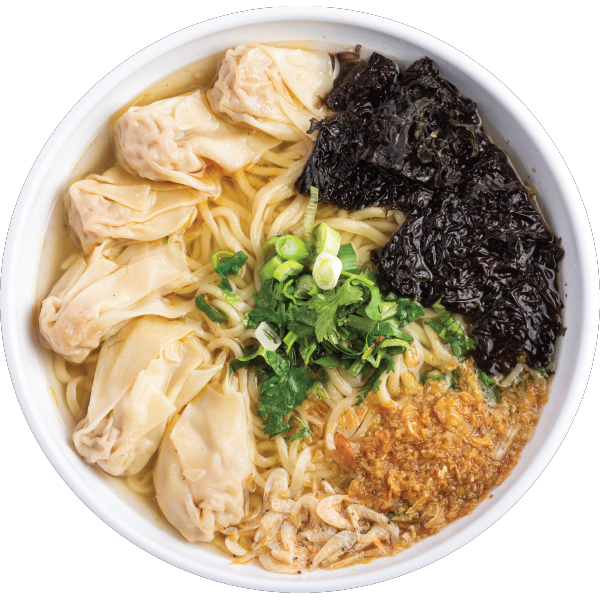
The Philosophy of Vegetarian Lanzhou: Why the Tree Hugger Commands Respect
In the rarefied world of Lanzhou hand-pulled noodles, where clear beef broth simmered for eight to twelve hours defines mastery, the vegetarian expression often suffers from tokenism—an afterthought of boiled water and MSG. At Magic Noodle (大槐树), the Tree Hugger shatters this convention. It is not a compromise but a deliberate architectural statement, built with the same rigor as its beef-broth siblings.
The Stock: A Vegetable Foundation with Bone-Deep Intention
True Lanzhou broth achieves qing (清)—that luminous, almost jewel-like clarity—through patient skimming and protein extraction. The Tree Hugger's vegetable stock replicates this visual and textural standard through an alchemical combination of white radish, ginger, scallion whites, and dried shiitake caps, slow-simmered for six hours minimum. The result is a golden, transparent liquid with surprising body, carrying none of the muddy vegetal notes that plague lesser attempts. Aromatics arrive in waves: first the sweet grassiness of slow-cooked alliums, then the deep guanylate-rich umami of rehydrated mushrooms, finally a whisper of white pepper that tingles rather than burns.
The Noodles: Hand-Pulled Discipline Uncompromised
Executive Chef Zhang's dough receives identical treatment regardless of accompanying broth. The "three pulls, six shakes" technique—folding, stretching, and snapping the wheat-based rope against the floured counter—produces noodles of er xi (二细, second-thin) gauge with characteristic springy resilience and subtle chew. Each strand maintains structural integrity through the final moments of wok contact, where a brief flash of high heat imparts the faintest whisper of wok hei without scorching the delicate vegetable stock.
The Composition: Shiitake, Greens, and the Fried Egg Question
The bowl assembles with curator's precision:
- Shiitake mushrooms: Rehydrated from premium Fujian dried specimens, sliced thick, then seared in a screaming-hot carbon steel wok until edges caramelize and centers retain meaty density. Their maillard complexity provides the bowl's bass note.
- Mixed greens: Seasonally rotating between Shanghai bok choy, yu choy, and tender pea shoots, blanched to that critical moment where cellular collapse yields to silken, almost buttery texture while chlorophyll brightness remains intact.
- The fried egg: Crispy-edged, yolk still trembling—optional by menu description, essential by culinary logic. Its runny interior creates spontaneous sauce, binding broth to noodle in unctuous harmony.
Verdict: A Vegetarian Benchmark, Not a Consolation
The Tree Hugger succeeds because Magic Noodle refuses to treat vegetables as absence. Every element—the clarity of stock, the tensile strength of noodles, the wok-seared intensity of mushrooms—speaks to presence and intention. At ¥38, it occupies the same price tier as beef counterparts, and justifiably so. This is comfort food elevated to craft, plant-based sustenance that satisfies the same primal craving for warmth, depth, and textural complexity that defines Lanzhou noodle culture at its apex.